Strategic Brand Positioning with Reepika: A Designer's Guide to Retro-Modern Typography
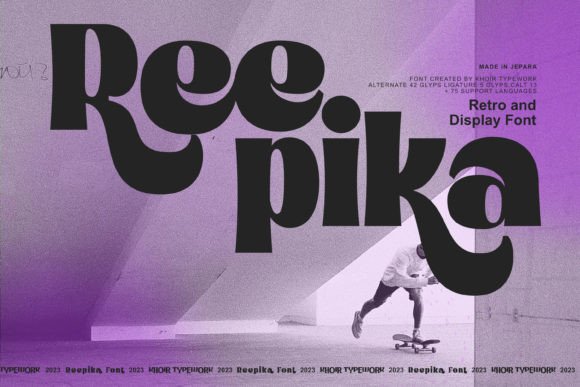
In the crowded landscape of visual communication, typography is rarely just about legibility; it is a primary vehicle for brand positioning and emotional resonance. Reepika emerges as a distinctive tool in this arena, offering a thick serif aesthetic that bridges the gap between the nostalgic warmth of 70s–90s design and the sharp, contemporary edge of modern streetwear culture. For entrepreneurs, marketers, and creative directors, the decision to adopt a specific typeface is a strategic one. It dictates how an audience perceives value, authenticity, and relevance. Reepika is not merely a stylistic choice; it is a functional asset designed to cut through noise without appearing stiff or forced.
The core strength of Reepika lies in its hybrid nature. It captures the "groovy" fluidity of late-century design movements while maintaining the structural integrity required for professional branding. This duality makes it exceptionally versatile for businesses looking to project an image that is both established and culturally current. Whether you are launching a fashion line, designing an album cover, or rebranding a local café, the font's ability to feel organic yet bold allows for a nuanced communication strategy. It speaks to an audience that appreciates heritage but demands modernity.
Aligning Visual Identity with Business Goals
Effective branding requires more than selecting a font that looks "cool." It demands a clear alignment between visual assets and long-term business objectives. When integrating Reepika into your brand identity, consider the psychological impact of its thick serifs and variable stroke widths. These characteristics convey confidence and stability, essential traits for building trust with customers. However, the slight irregularities and swashes prevent the brand from feeling corporate or sterile, fostering a sense of approachability and human connection.
For small business owners and freelancers, the goal is often differentiation. In markets saturated with clean, minimalist sans-serifs, a well-executed serif display font can create immediate visual separation. Reepika supports this by offering a unique voice that feels hand-crafted rather than algorithmically generated. This perception of craftsmanship can elevate the perceived value of products and services, allowing creators to command higher price points based on the quality of their presentation.
Strategic use of Reepika also extends to customer experience. Consistency in typography across touchpoints—from packaging to digital ads—reinforces brand recognition. Because Reepika is PUA (Private Use Area) encoded, it provides access to a vast library of glyphs and swashes. This technical feature is not just a novelty; it is a productivity tool. It allows designers to create custom ligatures and alternate characters that make a logo or headline truly one-of-a-kind, reducing the risk of generic-looking collateral that fails to leave a lasting impression.
Practical Applications Across Industries
The versatility of Reepika makes it suitable for a wide array of industries, provided it is applied with intention. Its robust structure holds up well in large formats, making it an ideal candidate for poster design and outdoor advertising where immediate impact is crucial. The thick strokes ensure readability from a distance, while the stylistic alternates add layers of detail that reward closer inspection.
- Fashion and Apparel: The fusion of retro grooves and streetwear aesthetics makes Reepika perfect for t-shirt graphics, hoodie branding, and lookbooks. It taps into the current cultural zeitgeist where vintage influences dominate high street fashion.
- Music and Entertainment: Album covers and tour merchandise benefit from the font's expressive character. It can evoke the soulful vibes of the 70s or the gritty energy of 90s hip-hop, depending on how the glyphs are selected and arranged.
- Hospitality and Food: For cafes, breweries, and restaurants, Reepika adds a layer of artisanal charm to menus and signage. It suggests a establishment that values tradition but is not stuck in the past.
- Digital Branding: While primarily a display font, Reepika can be used effectively in hero sections of websites and social media headers to establish tone before transitioning to more legible body text.
When planning a campaign, consider how Reepika interacts with other visual elements. Its heavy weight pairs exceptionally well with ample white space, allowing the letterforms to breathe and command attention. Conversely, layering it over textured backgrounds or photography can create a dynamic, collage-like effect that resonates with younger demographics. The key is to test these combinations early in the planning phase to ensure they support the overall narrative rather than distracting from it.
Maximizing Value Through PUA Encoding
A critical advantage of Reepika is its PUA encoding. For those unfamiliar with this technical specification, it means that the font includes special characters, swashes, and decorative glyphs that are accessible through standard character map tools or OpenType panels. This feature transforms the font from a static set of letters into a dynamic design system.
From an operational standpoint, this encoding streamlines the workflow. Instead of manually drawing custom flourishes or purchasing additional graphic assets, designers can access delightful variations directly within the typing interface. This efficiency reduces production time and ensures consistency across different deliverables. For educators and publishers, this means creating engaging materials that stand out without requiring advanced illustration skills. The ability to effortlessly swap a standard "R" for a swashed alternative can completely change the mood of a headline, offering granular control over the final output.
However, leveraging this feature requires a disciplined approach. The temptation to use every available swash can lead to visual clutter. Strategic restraint is necessary. Choose alternates that enhance readability and reinforce the brand's personality, rather than those that merely decorate. Each glyph should serve a purpose, whether it is guiding the eye, balancing a composition, or emphasizing a key message.
Risks of Unintentional Implementation
While Reepika offers significant potential, relying on it without a clear strategic framework can yield diminishing returns. The most common pitfall is context mismatch. A font that exudes retro-cool may undermine the seriousness of a financial institution or a medical provider if not carefully contextualized. Before committing to Reepika for a major project, conduct a thorough audit of your brand values and target audience expectations. Does the "groovy" aesthetic align with your mission, or does it create cognitive dissonance?
Another risk is over-reliance on trends. While the 70s–90s revival is currently strong, design cycles are ephemeral. To ensure long-term viability, use Reepika as a display element rather than a foundational system font. Pair it with a neutral, timeless sans-serif for body copy. This hybrid approach ensures that your brand remains adaptable even as aesthetic preferences shift. It anchors the brand in the present while maintaining the flexibility to evolve.
Furthermore, accessibility must remain a priority. Thick serifs with intricate swashes can pose challenges for users with visual impairments or dyslexia, particularly at smaller sizes. Always prioritize legibility in critical communications such as legal disclaimers, navigation menus, and instructional text. Reserve the more elaborate glyphs of Reepika for headlines, logos, and decorative purposes where the primary goal is emotional engagement rather than information transfer.
Decision-Making Framework for Adoption
Integrating a new typeface into your ecosystem should be treated as a strategic investment. Begin by defining the specific problem you aim to solve. Are you trying to refresh a stale image? Do you need to appeal to a younger demographic? Is the goal to increase perceived value? Once the objective is clear, evaluate whether Reepika's specific attributes—its weight, its era-specific inspiration, and its glyph variety—directly support that goal.
Prototype extensively. Apply Reepika to real-world scenarios relevant to your business. Mock up a product label, design a social media post, or draft a landing page header. Evaluate these prototypes against your competitors. Does Reepika help you stand out, or does it blend into the background? Seek feedback from stakeholders who represent your target audience. Their intuitive reactions will provide valuable data on whether the font communicates the intended message.
Finally, consider the scalability of your choice. Will Reepika work across all necessary mediums, from large-scale billboards to mobile screens? The PUA encoding offers flexibility, but ensure that your technical stack supports these features consistently across different platforms and browsers. A fragmented user experience due to missing glyphs can damage credibility and dilute brand equity.
In conclusion, Reepika is more than a stylistic nod to the past; it is a robust tool for modern brand builders. When used with strategic intent, it can enhance communication, strengthen positioning, and drive meaningful engagement. By understanding its strengths, respecting its limitations, and applying it within a thoughtful framework, creators and business leaders can harness its power to achieve sustainable, long-term results. The difference between a good design and a great one often lies in the details, and with Reepika, those details are rich with possibility.