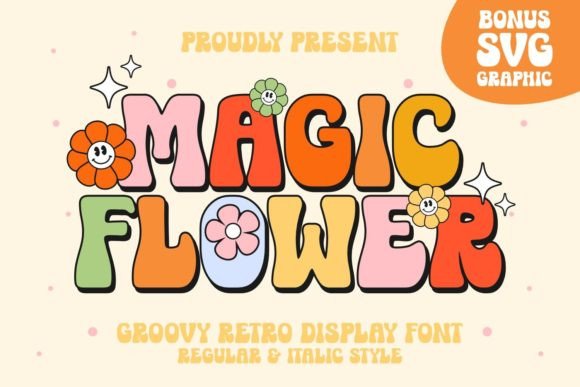
Evaluating Magic Flower: A Retro Display Font for Groovy Designs
In the landscape of modern typography, there is a persistent demand for typefaces that evoke specific historical eras while remaining functional for contemporary projects. Magic Flower emerges as a distinct option within this category, positioning itself as a retro-inspired display font. It draws heavily from the aesthetic sensibilities of the late 1960s and early 1970s, capturing the essence of the "flower power" era and the psychedelic movement. For designers, historians, and brand strategists evaluating typography options, understanding the specific characteristics, applications, and limitations of Magic Flower is essential for making an informed selection.
Defining the Aesthetic of Magic Flower
At its core, Magic Flower is defined by its whimsical letterforms. Unlike geometric sans-serifs or traditional serifs that prioritize uniformity and strict grid alignment, this typeface embraces an organic, handcrafted feel. The stroke contrast is a defining feature; thick and thin lines vary unevenly throughout the characters. This irregularity is not a flaw but a deliberate design choice intended to mimic the imperfections of hand-lettering or screen printing techniques common during the hippie movement.
The visual weight of the font tends to be bold, making it suitable for headlines rather than body copy. The curves are exaggerated, often swelling in unexpected places, which contributes to a sense of movement and fluidity. When evaluating Magic Flower, one must recognize that it is a display font. This classification means it is engineered for use at larger sizes where its intricate details and stylistic quirks can be appreciated without compromising legibility.
Reasons for Interest and Potential Benefits
There are several compelling reasons why a creative professional might consider integrating Magic Flower into their workflow. The primary benefit is its ability to instantly establish a mood. In branding and marketing, speed of communication is vital. A typeface like Magic Flower signals nostalgia, freedom, and creativity before the viewer even reads the words. This makes it highly effective for projects targeting audiences who appreciate vintage aesthetics or counter-culture history.
Furthermore, the organic nature of the font offers a break from the sterile perfection of digital vector graphics. In an era where many brands strive for authenticity and human connection, using a typeface that feels hand-drawn can soften a brand's image. It suggests that there is a human behind the design, fostering a sense of approachability and warmth. For industries such as artisanal food and beverage, independent music festivals, or boutique fashion, this emotional resonance can be a significant asset.
Ideal Use Cases and Strong Fits
Determining whether Magic Flower aligns with a project's goals requires analyzing the context of its application. The font is a strong fit for situations where the primary objective is to evoke a playful and carefree spirit. Specific scenarios include:
- Packaging Design: Products like craft sodas, herbal teas, or natural skincare often benefit from the earthy, retro vibe that Magic Flower provides. It complements illustrations of flora and fauna commonly found in these sectors.
- Event Branding: Music festivals, art fairs, and community gatherings that aim to recreate a communal, relaxed atmosphere can utilize this font for posters and tickets to set the tone immediately.
- Social Media Graphics: In digital marketing, standing out in a feed is crucial. The unique shapes of Magic Flower can halt the scroll, drawing attention to promotional quotes or event announcements.
- Merchandise: T-shirts, tote bags, and stickers featuring inspirational quotes or band names often rely on expressive typography. The groovy vibe of this font translates well to apparel.
In these contexts, the font acts as a visual anchor, reinforcing the thematic elements of the design without requiring excessive additional imagery.
Tradeoffs and Limitations to Consider
While Magic Flower offers distinct stylistic advantages, it is not a universal solution. A balanced evaluation must acknowledge its tradeoffs. The most significant limitation is readability at smaller sizes. Due to the uneven stroke widths and decorative flourishes, the font can become difficult to decipher when scaled down. Consequently, it is generally unsuitable for body text, legal disclaimers, or complex user interfaces where clarity is paramount.
Another consideration is the risk of cliché. The psychedelic aesthetic is recognizable and popular. If used without careful composition or paired with overly generic imagery (such as standard peace signs or rainbows), the design may feel dated or kitschy rather than stylish. Designers must ensure that the usage of Magic Flower feels intentional and fresh, perhaps by pairing it with modern layout structures or contrasting minimalist photography to create tension and interest.
Additionally, accessibility is a critical factor. For users with visual impairments or dyslexia, highly stylized fonts with irregular baselines and varying stroke weights can pose barriers to consumption. In public-facing materials where inclusivity is a priority, Magic Flower should be restricted to decorative headings, while a highly legible sans-serif should be used for informational content.
When to Consider Alternatives
There are specific situations where alternatives to Magic Flower may be more appropriate. If a project requires a tone of seriousness, authority, or corporate stability, a retro display font is likely mismatched. Financial institutions, healthcare providers, and technology firms typically require typefaces that convey trust and precision, qualities that the whimsical nature of Magic Flower does not possess.
Moreover, if the design brief calls for a different historical reference, other options exist. For instance, if the goal is to evoke the 1950s diner culture, a script or slab serif might be more accurate. If the aim is futuristic innovation, a clean geometric sans-serif would be superior. Magic Flower is specifically tied to the late 60s and early 70s; straying from this era while using the font can create cognitive dissonance for the audience.
Practical Decision-Making Insights
To determine if Magic Flower is the right choice, designers should ask three key questions. First, does the brand personality align with values of creativity, nostalgia, and informality? Second, will the font be used primarily in large formats where its details can shine? Third, is there a complementary typeface available to handle body copy and ensure overall legibility?
If the answer to these questions is affirmative, Magic Flower can be a powerful tool in a design system. It excels when treated as a featured element rather than a workhorse. By pairing it with a neutral, structured font, designers can harness its energy without sacrificing usability. Ultimately, the decision rests on whether the project benefits from the specific emotional resonance of the flower power era. When applied with discernment, Magic Flower transforms simple text into a statement of style and spirit.