Evaluating Pop Art: A Guide to the Bold 1960s Display Font
In the vast landscape of typography, few styles capture a specific era as distinctly as Pop Art. This display font is not merely a collection of characters; it is a stylistic homage to the vibrant, rebellious spirit of the 1960s art movement. For designers, marketers, and content creators evaluating typefaces for specific projects, understanding the nuances of this font is essential. It offers a unique visual language that can instantly communicate energy, nostalgia, and playfulness. However, like any specialized design tool, it comes with specific use cases where it excels and scenarios where it may hinder readability or brand alignment.
Defining the Aesthetic of Pop Art
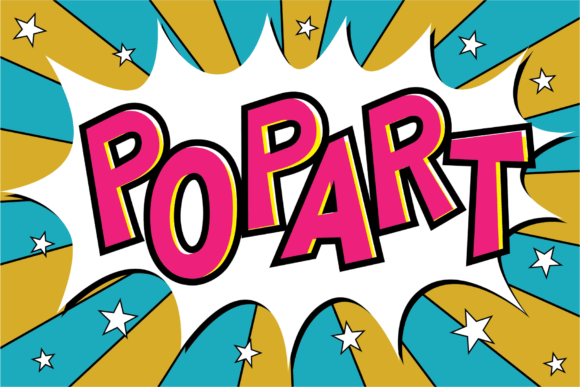
At its core, Pop Art is a cool and playful display font designed to evoke the bold and colorful style of 1960s pop art. The typeface is characterized by chunky, stylized letters that prioritize form and impact over traditional typographic neutrality. Unlike serif or sans-serif fonts intended for long-form reading, this font features unique shapes and exaggerated proportions. The design often incorporates bright colors and high-contrast elements, mirroring the screen-printing techniques popularized by artists like Andy Warhol and Roy Lichtenstein.
When evaluating this font, one must recognize that its personality is inherently retro and energetic. The letterforms are not static; they possess a dynamic quality that suggests motion and sound. This makes the font particularly effective for creating eye-catching titles and headlines. Whether applied to posters, album covers, or event flyers, the font acts as a visual statement, immediately setting a tone that is informal, creative, and historically rooted in mid-century modern culture.
Strategic Benefits and Visual Impact
The primary benefit of selecting Pop Art lies in its ability to command attention. In an environment saturated with clean, minimalist sans-serif fonts, a typeface with such distinct character stands out. For projects requiring immediate visual engagement, such as concert promotions, festival branding, or youth-oriented marketing campaigns, this font provides a competitive edge. Its chunky structure ensures legibility even at larger sizes, allowing it to function effectively as a focal point in a layout.
Furthermore, the font serves as a powerful storytelling device. By utilizing a typeface associated with the 1960s, designers can instantly invoke feelings of nostalgia or align a modern product with the counter-culture values of that era. This is particularly useful for brands looking to appear approachable, fun, and unconventional. The playful nature of the letters reduces psychological distance between the viewer and the message, fostering a sense of familiarity and warmth.
Tradeoffs and Limitations
While the aesthetic appeal of Pop Art is undeniable, potential users must carefully consider its limitations. The most significant tradeoff is readability. Due to its stylized and unique shapes, the font is unsuitable for body text or any content requiring sustained reading. The irregular letter spacing and decorative elements can cause eye fatigue if used in paragraphs. Therefore, it should be strictly reserved for headlines, short captions, or logos.
Another consideration is context appropriateness. The strong personality of the font can clash with serious or corporate subjects. For industries such as finance, healthcare, or legal services, where trust and professionalism are paramount, the playful and retro vibe of Pop Art may undermine the intended message. In these situations, the font's energetic personality might be perceived as frivolous or lacking in gravitas. Designers must evaluate whether the brand voice aligns with the whimsical nature of the typeface before committing to it.
Ideal Use Cases and Applications
There are specific situations where Pop Art is a strong fit. It shines in entertainment media, particularly for music albums, movie posters, and theater productions that aim to capture a retro or eclectic mood. Fashion brands targeting a younger demographic or those launching limited-edition streetwear collections often find success with this font, as it complements bold graphics and vibrant color palettes.
Additionally, the font is highly effective in event marketing. Flyers for art exhibitions, music festivals, or community gatherings benefit from the font's ability to convey excitement. When paired with halftone patterns, bright primary colors, and comic-book-style imagery, the typeface completes the cohesive look of a pop art-inspired design. It transforms simple text into a graphic element that contributes to the overall composition rather than just conveying information.
When to Consider Alternatives
Despite its strengths, there are clear indicators that an alternative font may be worth considering. If a project requires versatility across various mediums, including small mobile screens or printed documents with dense information, a more neutral display font or a robust sans-serif might be a better choice. Similarly, if the design goal is timelessness rather than period-specific styling, Pop Art may date the material too quickly.
Designers should also consider accessibility. The unique shapes and potential color variations inherent in pop art styles can pose challenges for users with visual impairments. If the target audience includes individuals who rely on high-contrast, standard letterforms for readability, opting for a font with higher legibility scores is a responsible design decision. In these cases, the artistic statement of Pop Art should yield to functional clarity.
Making the Final Decision
Selecting the right typography is a balance between artistic expression and functional communication. When evaluating Pop Art, ask whether the project demands a loud, historical reference or a quiet, universal message. If the goal is to create a statement piece that celebrates creativity and energy, this font is an exceptional tool. Its chunky letters and retro charm offer a distinctive voice that few other typefaces can match.
However, if the objective is to convey complex information or maintain a subdued corporate identity, the playful nature of this font may become a distraction. By understanding both the capabilities and constraints of Pop Art, designers can make informed decisions that enhance their visual narratives. Ultimately, the font serves best when used intentionally, allowing its bold personality to elevate designs that are ready to embrace the spirited legacy of the 1960s.