Evaluating Smothy: A Practical Look at This Bubble Display Font
In the crowded landscape of digital typography, finding a display font that balances personality with legibility is often a challenge for designers and content creators. Smothy emerges as a compelling option in this space, offering a distinct bubble style that injects a sense of playfulness into visual projects without sacrificing professional utility. For professionals ranging from marketing managers to independent bloggers, the choice of typeface can define the tone of a campaign or publication. This analysis explores what makes Smothy worth considering, its technical strengths, and where it fits best within a modern creative workflow.
Defining the Aesthetic and Core Characteristics
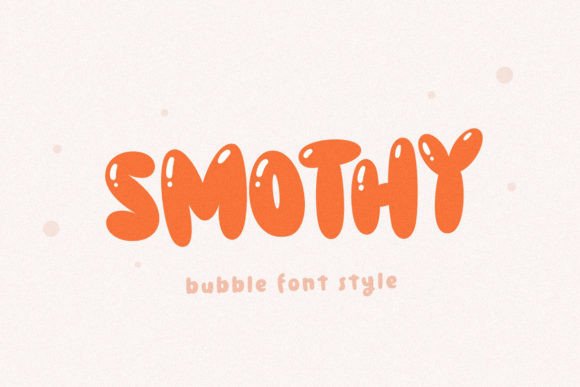
At its core, Smothy is a cute and fun display font designed to capture attention through its rounded, inflated letterforms. Unlike standard sans-serif fonts that prioritize neutrality, Smothy leans heavily into a specific mood—one that is approachable, energetic, and youthful. The "bubble style" is not merely a superficial trait; it influences how the text interacts with white space and surrounding graphic elements. The strokes are thick and consistent, creating a bold presence that remains readable even at smaller sizes, provided the context is appropriate.
The design language of Smothy suggests a departure from rigid corporate aesthetics. It works exceptionally well for brands or projects that wish to humanize their image. When evaluating its characteristics, one notices the smooth curves and lack of sharp terminals, which contribute to a soft, inviting texture on the page or screen. This makes it an ideal candidate for industries such as children's education, confectionery, lifestyle blogging, and casual event planning. However, its utility extends beyond these obvious niches when used strategically as an accent font rather than a body text solution.
Technical Usability and PUA Encoding
From a technical standpoint, the value of a font often lies in its accessibility and ease of use across different software environments. Smothy addresses a common frustration among designers by being PUA encoded. Private Use Area (PUA) encoding is a critical feature that ensures all glyphs, alternate characters, and swashes are accessible effortlessly within standard design applications like Adobe Illustrator, Photoshop, and InDesign, as well as word processors like Microsoft Word.
Without PUA encoding, users frequently struggle to access special characters, requiring complex keystroke combinations or third-party tools. With Smothy, the barrier to entry is significantly lowered. A designer can simply select the desired glyph from the font panel and apply it. This streamlines the creative process, allowing for rapid iteration during the design phase. For freelancers working under tight deadlines, this efficiency translates directly into billable hours saved. Furthermore, the reliability of PUA encoding ensures consistency when files are shared between different operating systems, reducing the risk of missing characters in final deliverables.
Practical Applications in Real-World Projects
To understand the true potential of Smothy, it is helpful to analyze its performance in specific real-world scenarios. The font shines brightest in contexts where the goal is to evoke emotion or establish a friendly connection with the audience.
- Branding and Logos: Small business owners, particularly those in the food and beverage sector or boutique retail, can leverage Smothy to create memorable logos. The bubble style suggests freshness and fun, which aligns well with ice cream shops, candy stores, or toy retailers.
- Social Media Graphics: Marketers and social media managers often need to create eye-catching posts that stop the scroll. Smothy's bold nature makes it effective for Instagram stories, Pinterest pins, and Facebook headers where text needs to be read quickly on mobile devices.
- Packaging Design: For product packaging, especially in the consumer goods market, the font adds a tactile quality that implies softness and approachability. It works well on labels for organic products or artisanal goods targeting a younger demographic.
- Educational Materials: Educators and publishers creating materials for early childhood development can use Smothy to make learning resources feel less intimidating and more engaging for young students.
While the font is versatile within its stylistic lane, it is important to recognize its limitations. Smothy is a display font, meaning it is optimized for headlines, titles, and short phrases. Using it for long-form body text would likely result in reader fatigue due to the heavy weight and unique shapes of the letters. A balanced design approach involves pairing Smothy with a clean, neutral sans-serif or a highly readable serif font for the main content. This contrast ensures that the playful header draws attention while the body text maintains clarity and professionalism.
Assessing Quality and Long-Term Value
When investing in creative assets, longevity and flexibility are key considerations. Smothy demonstrates strong potential for long-term value due to its timeless appeal within the "fun" category. While design trends fluctuate, the need for approachable, human-centric typography remains constant. The quality of the vector outlines appears robust, ensuring that the font scales up for large-format printing or down for digital icons without losing definition.
The inclusion of swashes and alternate glyphs adds a layer of customization that prevents designs from looking generic. By swapping out standard letters for their decorative counterparts, a creator can tailor the logotype or headline to fit a specific composition perfectly. This flexibility allows for a unique brand identity even when using a pre-made font. For entrepreneurs building a brand from scratch, this level of customization is invaluable as it helps differentiate their visual identity from competitors who might be using default system fonts.
Reliability is another factor where Smothy performs well. The consistent stroke width and spacing suggest a well-kerned font file, which reduces the need for manual adjustments in most situations. This consistency is crucial for maintaining a polished look across various mediums, from business cards to website banners. For agencies managing multiple client accounts, having a reliable go-to font for playful projects simplifies the asset management process.
Who Benefits Most from Smothy?
The primary beneficiaries of Smothy are individuals and teams who need to communicate warmth and creativity. This includes freelance graphic designers looking to expand their library with a high-quality display option, small business owners handling their own marketing materials, and content creators producing videos or blogs with a lighthearted tone. Educators creating classroom decorations or newsletters will also find the font's readability and charm beneficial.
However, it may not be the right fit for every project. Corporate legal firms, financial institutions, or medical organizations requiring a tone of strict authority and seriousness should likely avoid using Smothy as a primary typeface. In these contexts, the bubble style might undermine the perceived credibility of the message. The key is alignment: the font must match the intent of the communication. When the goal is to inspire joy, curiosity, or comfort, Smothy is an excellent tool. When the goal is to convey gravity or technical precision, other options should be prioritized.
Final Recommendations for Integration
Integrating Smothy into a design workflow requires a strategic mindset. It is best used sparingly to highlight key messages rather than overwhelming the viewer. Consider using it for call-to-action buttons, section headers, or quote graphics. When paired with a minimalist color palette, the font's shape becomes the focal point, creating a sophisticated yet fun aesthetic. Conversely, combining it with vibrant colors can amplify its energetic properties.
For those evaluating whether to add Smothy to their toolkit, the decision should hinge on the specific needs of their current and upcoming projects. If your work involves engaging audiences in a casual, friendly manner, the technical ease of PUA encoding and the distinctive bubble style offer a strong return on investment. It represents a practical solution for adding that special touch to design ideas without compromising on usability or quality. As with any design element, the effectiveness of Smothy ultimately depends on the skill of the creator in applying it within a cohesive visual hierarchy.
In conclusion, Smothy stands out as a functional and aesthetically pleasing display font that meets the demands of modern digital and print design. Its blend of character, technical accessibility, and versatile application makes it a worthy consideration for professionals seeking to infuse their work with a bit of personality. By understanding its strengths and respecting its limitations, designers can leverage Smothy to create impactful, memorable visuals that resonate with their target audience.