Japan Brush: Bold Calligraphy for Modern Design
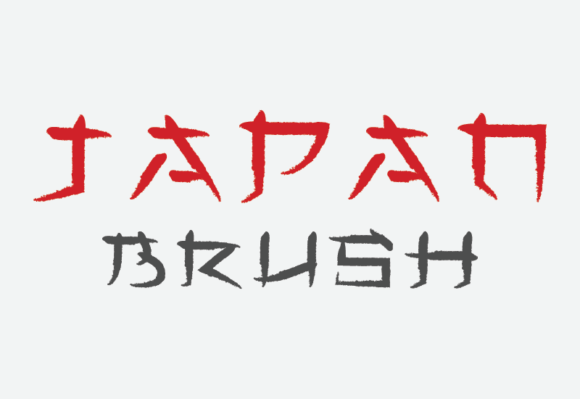
In the crowded landscape of digital typography, finding a typeface that balances cultural authenticity with modern versatility is a challenge. Japan Brush emerges as a solution for designers seeking to infuse their work with the spirit of traditional Japanese calligraphy without sacrificing readability or impact. This striking display font captures the fluidity of ink on paper, translating the ancient art of Shodo into a digital asset that feels both timeless and contemporary. Its bold lines and elegant strokes offer more than just aesthetic appeal; they provide a narrative tool that can instantly set the tone for a project, conveying strength, elegance, and a deep respect for craftsmanship.
What makes this font particularly interesting is its attention to detail. Unlike many "brush" fonts that rely on generic, repetitive stroke patterns, Japan Brush incorporates subtle variations that mimic the natural pressure changes of a real brush. The characters are designed with specific motifs in mind, drawing inspiration from elements like cherry blossoms and ocean waves. These aren't just decorative add-ons; they are integrated into the structure of the letters, giving the typeface a unique texture that resonates with viewers on a subconscious level. For creators, this means having a tool that does the heavy lifting in terms of atmosphere, allowing the rest of the design to remain clean and focused.
Strategic Applications for Branding and Identity
For brand strategists and small business owners, the choice of typography is often the first step in defining a company's personality. Japan Brush is exceptionally well-suited for brands that want to communicate artisanal quality, heritage, or a connection to nature. Consider a specialty tea shop or a high-end sushi restaurant. Using a standard sans-serif font might feel too sterile, while an overly ornate script could be illegible. Japan Brush strikes the perfect middle ground. It commands attention on signage and packaging while maintaining the sophistication required for premium positioning.
When adapting this font for branding, consistency is key. Because the strokes are bold and expressive, it works best as a display typeface for logos, headlines, and taglines rather than body copy. Pairing it with a clean, geometric sans-serif for smaller text creates a balanced hierarchy that guides the reader's eye effectively. This contrast ensures that the emotional impact of the brush strokes is preserved without overwhelming the informational content. Entrepreneurs launching products in the wellness, beauty, or culinary sectors can leverage this dynamic to create packaging that stands out on shelves, suggesting a product that is both carefully crafted and deeply rooted in tradition.
Elevating Event Marketing and Print Media
The tactile quality of Japan Brush translates beautifully into print media, particularly for events where atmosphere is paramount. Wedding invitations, gallery openings, and cultural festivals benefit immensely from the font's ability to evoke a sense of occasion. For a wedding with a minimalist or garden theme, using Japan Brush for the couple's names on the invitation sets a tone of romantic elegance. The fluid lines suggest movement and life, mirroring the organic themes often found in such celebrations.
Poster design is another area where this font shines. In a world of digital noise, a physical poster with bold, ink-like typography can stop a passerby in their tracks. The strong vertical and horizontal strokes inherent in the character design create a natural grid that helps organize information even in complex layouts. Designers can experiment with scale, blowing up specific characters to act as graphical elements themselves. By layering these large typographic forms with photography or negative space, you can create compositions that feel dynamic and energetic. The incorporation of wave and floral motifs within the glyphs adds a layer of visual interest that rewards closer inspection, encouraging the viewer to engage with the material longer.
Digital Adaptation and Web Presence
While rooted in tradition, Japan Brush is fully capable of thriving in digital environments. For bloggers and content creators focusing on travel, culture, or lifestyle, using this font for header images and pull quotes can significantly enhance the visual identity of a website. However, digital application requires a mindful approach to legibility. On screens, especially mobile devices, fine details can sometimes get lost. It is advisable to use Japan Brush at larger sizes where the nuance of the brush strokes remains clear.
Web designers can use the font to create distinctive hero sections that immediately communicate the site's theme. When used sparingly—perhaps only for the main page title or section dividers—it adds a touch of uniqueness without slowing down load times or confusing navigation. The key is restraint. Overusing a highly stylized font can lead to visual fatigue. By treating Japan Brush as an accent rather than a workhorse, you maintain a professional, user-friendly interface while still injecting personality into the digital experience.
Creative Variations and Stylistic Approaches
The versatility of Japan Brush allows for a wide range of stylistic interpretations depending on the context. One effective approach is the "monochrome minimal" style, where the font is used in stark black against a white or off-white background. This mimics the traditional sumi-e ink wash painting technique, emphasizing the form and flow of the characters. This approach works exceptionally well for editorial spreads, book covers, and high-contrast advertising campaigns.
Alternatively, designers can explore color integration. While black ink is classic, applying deep indigos, forest greens, or muted earth tones can shift the mood entirely. A marine-themed project might utilize navy blues to highlight the wave motifs within the letters, while a spring collection could benefit from soft pinks or greens to echo the cherry blossom influences. The fluid nature of the font accepts color gradients well, allowing for modern twists that keep the traditional feel fresh and relevant.
- Hospitality: Use for menu headers and table tents to imply fresh, hand-prepared ingredients.
- Fashion: Apply to lookbooks and hang tags for collections inspired by Eastern aesthetics or streetwear.
- Education: Utilize in presentation slides for history or art classes to visually reinforce cultural topics.
- Social Media: Create quote graphics that stand out in feeds dominated by standard system fonts.
Ultimately, the power of Japan Brush lies in its ability to bridge the gap between the old and the new. It invites designers to think beyond standard typographic conventions and consider how the shape of a letter can tell a story. Whether you are a freelancer pitching a new identity to a client, a marketer launching a seasonal campaign, or a hobbyist creating personal art, this font offers a robust foundation for creativity. By understanding its strengths—its boldness, its cultural resonance, and its detailed construction—you can deploy it in ways that are not only visually stunning but also strategically sound. The goal is always clarity and connection; Japan Brush provides the voice, and your design provides the context.