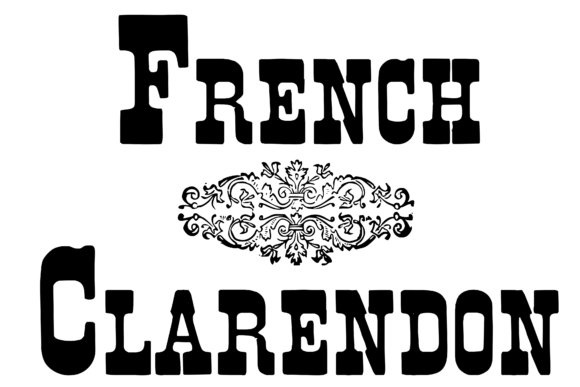
French Clarendon: A Vintage Font for Modern Design
Imagine a typeface that instantly transports your viewer to a bustling 19th-century circus, a dusty apothecary shop, or the front page of a historic newspaper. This is the power of French Clarendon. More than just a collection of letters, this stunning vintage font captures the essence of a bygone era with an authority that few modern sans-serifs can match. With its ornate flourishes, heavy slab serifs, and intricate details, it serves as a visual anchor for any design project calling for old-world charm. Whether you are crafting a bold headline for a marketing campaign or setting body text for a themed event invitation, this font is designed to turn heads and leave a lasting impression.
But what exactly makes French Clarendon so enduring, and how does it serve such a diverse range of creators today? To understand its value, we must look beyond its aesthetic appeal and examine how different users interact with its unique characteristics.
Defining the Character of French Clarendon
At its core, French Clarendon is a variation of the Clarendon typeface family, originally developed in the mid-1800s. However, the "French" distinction often refers to specific stylistic choices made by type foundries of that era, characterized by extreme contrast between thick and thin strokes, exaggerated serifs, and a distinctively decorative flair. Unlike standard slab serifs which are often blocky and uniform, French Clarendon introduces a sense of movement and elegance through its curved terminals and swash capitals.
For the uninitiated, these terms might sound technical, but the visual impact is immediate. The font commands attention. It does not whisper; it declares. This makes it exceptionally potent for display purposes—titles, posters, logos, and headers—where the goal is to stop the scroll or catch the eye from across a room. While some versions include legible lowercase suitable for short paragraphs, its primary strength lies in its ability to set a tone before a single word is read.
Perspectives from Different Creators
The utility of French Clarendon shifts dramatically depending on who is holding the reins of the design project. A tool that feels like a creative playground for one professional might feel like a logistical hurdle for another. Understanding these perspectives helps in deciding if this font aligns with your specific goals.
The Professional Designer and Brand Strategist
For seasoned graphic designers and brand strategists, French Clarendon is often a strategic asset rather than just a stylistic choice. Their priority is brand differentiation. In a digital landscape saturated with clean, minimalist geometric sans-serifs, using a font with such historical weight can create a unique brand identity. A craft brewery, a boutique barbershop, or an artisanal coffee roaster might leverage this font to signal authenticity and heritage. These professionals evaluate the font based on its flexibility and licensing terms. They need to know if the font family includes enough weights and alternates to build a cohesive visual system without looking repetitive. For them, the "cost" is justified by the long-term commercial value of a distinctive brand mark.
The Small Business Owner and Entrepreneur
Entrepreneurs and small business owners often approach typography with a focus on speed and presentation. They may not have the budget to hire a dedicated typographer, so they rely on tools that offer high impact with minimal effort. For a bakery owner designing a weekend special flyer or a vintage clothing store owner updating their website banner, French Clarendon offers an instant "finished" look. The intricate details do the heavy lifting, making a simple layout appear sophisticated. However, their challenge often lies in restraint. Because the font is so ornate, using it for body text or complex information can reduce readability. The practical lesson here is to use it sparingly—strictly for headlines—to maintain clarity while maximizing charm.
Educators and History Enthusiasts
In educational settings, the value of French Clarendon extends into the realm of learning value and historical context. Teachers creating materials for history lessons, literature classes, or drama productions can use this font to immerse students in a specific time period. It acts as a visual cue that reinforces the curriculum. For example, a handout about the Industrial Revolution or a program for a school production of Sweeney Todd gains immediate credibility when set in a typeface authentic to the era. Here, the priority is not commercial flexibility but accuracy and atmosphere. Educators evaluate the font on how well it supports the narrative they are trying to build for their students.
Hobbyists and DIY Creators
For hobbyists, bloggers, and DIY enthusiasts, the appeal of French Clarendon is rooted in creativity and personal expression. Whether designing a wedding invitation, a scrapbook page, or a custom t-shirt for a family reunion, these users seek a font that feels special and handmade. They often prioritize ease of use and accessibility. If the font comes with easy-to-access ligatures or alternate characters via standard software, it becomes a favorite tool. The joy for this group comes from experimenting with the ornate flourishes to create something that feels uniquely theirs, transforming a digital file into a tangible piece of art.
Practical Considerations for Implementation
Regardless of your background, successfully integrating French Clarendon into your workflow requires a balanced approach to its strengths and limitations. Here are key factors to consider before downloading or purchasing:
- Readability vs. Decoration: Remember that high contrast and ornate details can strain the eye at small sizes. Reserve this font for large formats where the details can be appreciated.
- Pairing Strategies: Because French Clarendon is so dominant, it pairs best with neutral, simple typefaces. A clean sans-serif or a plain serif for body text allows the headline to shine without creating visual chaos.
- Context Matters: Ensure the "vintage" vibe aligns with your message. Using it for a futuristic tech startup might send mixed signals, whereas it is perfect for industries valuing tradition and craftsmanship.
- Licensing Checks: Always verify the license. Some versions are free for personal use but require a commercial license for business projects. This is crucial for entrepreneurs and freelancers to avoid legal pitfalls.
Making the Right Choice for Your Project
Ultimately, determining whether French Clarendon is the right fit comes down to your specific intent. Ask yourself: Does my project benefit from a sense of history? Am I trying to evoke nostalgia, luxury, or whimsy? If the answer is yes, this font is likely a powerful ally.
For the beginner, it offers a shortcut to professional-looking results. For the expert, it provides a rich palette for nuanced branding. For the educator, it is a bridge to the past. And for the consumer, it is a marker of quality and care. By understanding these varied perspectives, you can move beyond simply picking a "pretty font" and start making strategic design decisions that resonate with your audience.
Embracing a typeface like French Clarendon is an invitation to slow down and appreciate the craftsmanship of design. In a world moving increasingly fast, there is a profound value in choosing elements that remind us of the beauty found in the details of a bygone era. Whether you are launching a new product, teaching a class, or creating a memory, let the ornate curves and bold presence of this font help you tell your story with style and substance.