Monoway Groovey: A Retro 70s Font for Modern Design
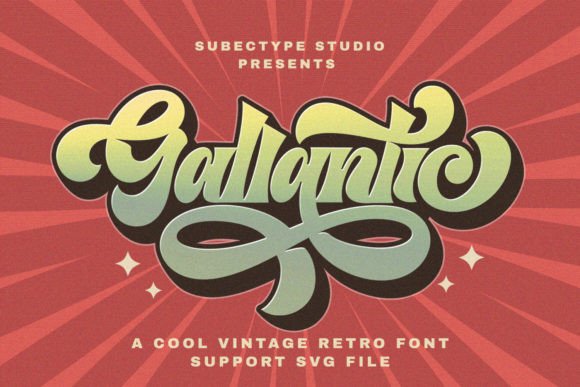
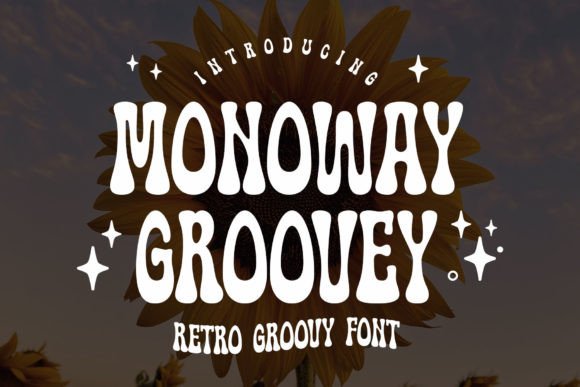
Design trends move in cycles, but few eras have left as indelible a mark on visual culture as the 1970s. That decade was defined by bold experimentation, vibrant colors, and a distinct rejection of rigid minimalism in favor of organic, flowing forms. For today's creators, tapping into this aesthetic is not just about nostalgia; it is about leveraging a style that naturally commands attention and evokes warmth. Monoway Groovey emerges as a powerful tool in this context, offering a typeface deeply inspired by iconic pop art and design trends of the 70s. With its stunning shape based on curves, this font provides a dynamic and lovely impression that can instantly transform a flat layout into something with personality and movement.
When selecting typography, the goal is often to communicate a specific mood before the viewer even reads the first word. Monoway Groovey excels here because it bridges the gap between retro charm and modern versatility. Unlike many novelty fonts that sacrifice readability for style, this typeface maintains a structural integrity that allows it to function in professional settings while retaining its artistic flair. Whether you are a small business owner looking to refresh your brand identity or a freelancer designing a limited-edition t-shirt, understanding how to utilize curved, vintage-inspired typography can significantly elevate your output.
Creating Instant Visual Impact with Curved Typography
The primary advantage of using a font like Monoway Groovey lies in its ability to break the monotony of standard sans-serif and serif pairings. In a digital landscape saturated with clean, geometric lines, a typeface boasting a stunning shape based on curves offers a refreshing contrast. This dynamic quality catches the eye because human vision is naturally drawn to organic shapes and fluid motion. When applied to a headline or a logo, the sweeping arcs of the letters create a sense of energy that static fonts simply cannot replicate.
Consider the practical application for a marketer launching a summer campaign. A flyer promoting a music festival or a local food market needs to convey fun and accessibility immediately. By utilizing Monoway Groovey for the main header, the design inherently suggests a relaxed, enjoyable atmosphere. The "lovely impression" mentioned in its design philosophy translates to a psychological cue for the audience: this event is friendly, creative, and worth attending. This is not merely decorative; it is a strategic communication choice that aligns the visual tone with the event's purpose.
Strategic Applications Across Different Media
Versatility is often the make-or-break factor when investing time in learning a new typeface. Monoway Groovey is perfectly suited for themes ranging from retro to modern-vintage, making it adaptable for a wide array of projects. However, its utility extends beyond just "looking old." It serves as a bridge for modern-vintage themes, where contemporary layouts are infused with nostalgic elements to create something unique.
- Apparel Design: For t-shirt designers, the font's bold curves work exceptionally well on chest prints or sleeve details. It captures the essence of vintage band tees and retro sportswear without feeling like a direct copy of the past.
- Branding and Logos: Small businesses in the creative sectors—such as bakeries, coffee shops, or boutique studios—can use this font to establish an emblem that feels established yet approachable. The curves soften the brand image, making it feel more human-centric.
- Packaging and Labels: Product labels for artisanal goods benefit from the dynamic impression of the font. It suggests that the product inside is crafted with care and creativity, distinguishing it from mass-produced competitors on the shelf.
- Digital Content: Bloggers and social media managers can use Monoway Groovey for quote graphics or story highlights. The distinctive shape ensures that text overlays remain legible even against busy backgrounds, provided there is sufficient contrast.
Each of these use cases demonstrates how the font solves a specific design problem: the need to stand out while maintaining coherence. For instance, when creating a poster, the hierarchy of information is crucial. Using Monoway Groovey for the primary message allows secondary information to be set in a simpler, neutral font, creating a balanced composition that guides the reader's eye effectively.
Balancing Nostalgia with Modern Readability
One of the common pitfalls when working with retro-inspired typography is sacrificing legibility for style. Many 70s-style fonts feature extreme swashes or irregular spacing that can make long passages of text difficult to read. Monoway Groovey avoids this trap by ensuring that while the shapes are dynamic, the character recognition remains high. This makes it an ideal choice not just for display purposes, but also for short body copy where personality is required.
For educators and publishers creating materials that need to engage a younger demographic without losing professional credibility, this balance is essential. A workshop handout or a community newsletter header set in this font signals creativity and openness. It tells the reader that the content within is likely to be engaging and non-traditional. However, it is important to exercise discretion. While the font is versatile, it is best used for headlines, pull quotes, or short phrases. Using it for dense paragraphs may reduce reading speed, so pairing it with a clean, highly readable sans-serif for body text is a recommended best practice.
Who Benefits Most from This Aesthetic?
The professionals who will find the most value in Monoway Groovey are those whose work relies on emotional connection and visual storytelling. Entrepreneurs launching lifestyle brands, freelancers specializing in event marketing, and hobbyists creating zines or personal projects will find this typeface particularly empowering. It simplifies the decision-making process during the design phase; instead of spending hours manipulating vector paths to achieve a retro curve, the designer has a ready-made solution that embodies the 70s pop art spirit.
Furthermore, for agencies working with clients who want to pivot their brand towards a more "human" and less corporate feel, this font offers a safe yet effective route. It allows for a rebrand that feels fresh without alienating existing customers who appreciate classic design values. The "modern-vintage" appeal ensures that the result does not look dated, but rather timeless.
Making the Right Choice for Your Project
While Monoway Groovey is a robust tool, it is not a universal solution for every design challenge. Understanding its limitations is just as important as knowing its strengths. If your project requires a tone of strict authority, medical precision, or high-tech futurism, the organic curves of this font might send the wrong message. In such cases, it is better to reserve Monoway Groovey for accent elements or to compare it against more structured alternatives to ensure the tone matches the objective.
However, for the vast majority of creative endeavors aimed at connecting with people on an emotional level, the benefits are clear. It saves time by providing an instant stylistic anchor, supports creativity by offering a distinct visual language, and improves presentation by adding a layer of sophistication through its curated curves. When you choose a typeface that is truly the ideal choice for your specific theme, you are not just picking letters; you are setting the stage for how your message will be received.
In conclusion, integrating a font inspired by the iconic pop art of the 70s into your workflow can be a game-changer. Monoway Groovey offers more than just a aesthetic nod to the past; it provides a functional, dynamic, and lovely instrument for modern communication. By thoughtfully applying it to t-shirts, posters, branding, and digital content, creators can produce work that resonates deeply with audiences, proving that good design is indeed timeless.