Wood Carving: A Guide to Selecting the Right Display Font for Rustic Elegance
In the realm of graphic design, typography serves as the voice of a brand. While digital screens often favor clean, sans-serif lines for maximum legibility, there remains a persistent demand for typefaces that evoke tactile warmth and historical depth. Wood Carving represents a specific category of display fonts designed to bridge the gap between traditional craftsmanship and modern typographic utility. This article evaluates the characteristics of wood carving-inspired typography, helping designers and brand managers determine if this aesthetic aligns with their specific project goals.
Defining the Wood Carving Aesthetic in Typography
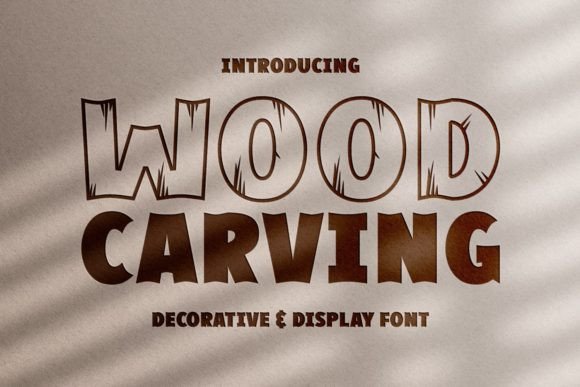
When discussing Wood Carving in the context of font selection, one is not referring to the physical act of sculpting timber, but rather to a digital typeface that meticulously simulates the visual qualities of hand-carved letterforms. These fonts are characterized by irregular edges, varying stroke widths, and simulated textures that mimic the grain, knots, and chisel marks found in actual woodworking.
Unlike standard distressed fonts that may simply apply a noise filter to a vector shape, high-quality wood carving fonts are often constructed with unique details for each character. The design intent is to replicate the organic imperfections inherent in manual labor. Each letterform showcases unique wood grain patterns and textures, ensuring that no two characters look mechanically identical. This level of detail creates a sense of authenticity that flat, vector-based fonts cannot achieve on their own.
Evaluating the Appeal: Why Choose This Style?
The decision to utilize a font inspired by Wood Carving usually stems from a desire to communicate specific brand values. In a marketplace saturated with sleek, minimalist designs, rustic elegance offers a point of differentiation. Brands often select this style to convey heritage, durability, and a connection to nature or artisanal methods.
There are several psychological drivers behind this choice:
- Authenticity: Consumers often associate textured, imperfect visuals with handmade quality and small-batch production.
- Warmth: The visual simulation of natural materials can make a brand feel more approachable and less corporate.
- Narrative Depth: Such fonts suggest a story of tradition and timelessness, which is valuable for businesses with a long history or those selling legacy products.
For industries such as craft brewing, artisanal food production, outdoor gear, and boutique hospitality, the Wood Carving aesthetic provides an immediate visual shorthand for "crafted with care."
Benefits and Practical Applications
The primary benefit of integrating a wood carving display font into a design system is its ability to command attention while establishing a mood. Because these fonts are highly decorative, they function best as display types—used for headlines, logos, and short captions rather than body copy.
Ideal Use Cases
This typography style is a strong fit for specific applications where emotional resonance outweighs the need for rapid information scanning:
- Branding and Logos: For a company named "Highland Timber" or "Old Forge Coffee," a wood-textured logo reinforces the name's meaning without requiring additional iconography.
- Packaging Design: On product labels for jams, spirits, or soaps, the texture of the font can interact with physical packaging materials like kraft paper or embossed cardboard, creating a cohesive tactile experience.
- Editorial Design: In magazines or brochures focusing on travel, history, or lifestyle, these fonts serve as excellent section headers that break up the monotony of standard serif or sans-serif bodies.
When used correctly, Wood Carving fonts elevate the perceived value of a product, suggesting that the item inside is as carefully constructed as the letters on the label.
Tradeoffs and Design Considerations
While the aesthetic appeal is significant, adopting a wood carving font involves distinct tradeoffs that must be evaluated before selection. The very features that make these fonts attractive—the intricate details and simulated textures—can present challenges in certain contexts.
Legibility Constraints
The most critical consideration is readability. The complex internal details of wood grain and chisel marks can reduce legibility, particularly at smaller sizes or on low-resolution screens. A font that looks magnificent on a large poster may become an indecipherable blur on a mobile device or a business card. Therefore, these fonts should strictly be reserved for large-scale applications where the viewer has time to decode the shapes.
Contextual Clashing
Designers must also consider the surrounding visual elements. A Wood Carving font demands a supporting cast that respects its weight and texture. Pairing it with ultra-modern, geometric sans-serifs can create an intentional and striking contrast, but pairing it with other busy, textured backgrounds can result in visual noise that overwhelms the viewer. The background must remain relatively neutral to allow the intricate details of the letterforms to stand out.
Production Limitations
For print projects, the reproduction method matters. High-fidelity offset printing will capture the subtle gradients of the wood grain simulation effectively. However, if the final output involves screen printing with limited color palettes, embroidery, or laser engraving, the fine details of the font may be lost. It is essential to test the font in the intended medium before committing to a full brand rollout.
When to Consider Alternatives
Despite its versatility within niche markets, Wood Carving typography is not a universal solution. There are scenarios where alternative typefaces are objectively better choices.
If the primary goal is clarity and speed of communication, such as in wayfinding signage, user interface (UI) design, or instructional manuals, a clean sans-serif font is superior. The decorative nature of wood carving fonts introduces cognitive load, slowing down the reading process. Similarly, for brands positioning themselves as cutting-edge, futuristic, or purely digital (such as SaaS companies or tech startups), the rustic connotations of wood carving may send mixed messages that undermine the brand's innovative identity.
Furthermore, if a design requires extensive body text, a dedicated serif or sans-serif text font should be used instead. Relying on a display font for paragraphs leads to reader fatigue and reduces the overall professionalism of the document.
Making the Final Decision
Selecting the right typography is a balance between artistic expression and functional necessity. When evaluating whether Wood Carving is the right choice for your project, ask the following questions:
- Does the brand identity rely on themes of nature, heritage, or craftsmanship?
- Will the font be used primarily in large formats where detail is visible?
- Is the target audience likely to respond positively to rustic or vintage aesthetics?
- Can the production method accurately reproduce the texture details?
If the answer to these questions is affirmative, a high-quality wood carving display font can be a powerful asset. It offers a unique blend of rustic elegance and typographic structure that few other styles can match. However, if legibility, scalability, or a modern minimalist vibe are the priorities, exploring cleaner alternatives would be the more prudent path.
Ultimately, the value of Wood Carving typography lies in its ability to tell a story before a single word is read. By understanding its strengths and limitations, designers can deploy it strategically to create memorable, impactful visual identities that resonate with audiences seeking authenticity in a digital world.